
Piercings are personal, stylish, and meaningful. But before you choose one, it’s smart to ask—how painful is it? That’s where the pain ear piercings chart has your back. This guide helps to make finding out which type of ear piercing that is right for you. From small lobes to thick cartilage,they all come with their own amount of pain and healing time.
We’ll now walk through the best options on the pain ear piercings chart. You’ll find clear details about pain ratings, healing periods, and placement. Here are the best types we’ll explore: Standard Lobe, Daith, Helix, Forward Helix, Tragus, Anti-tragus, Conch, and Rook.
Standard Lobe Piercing: Low Pain, Quick Heal
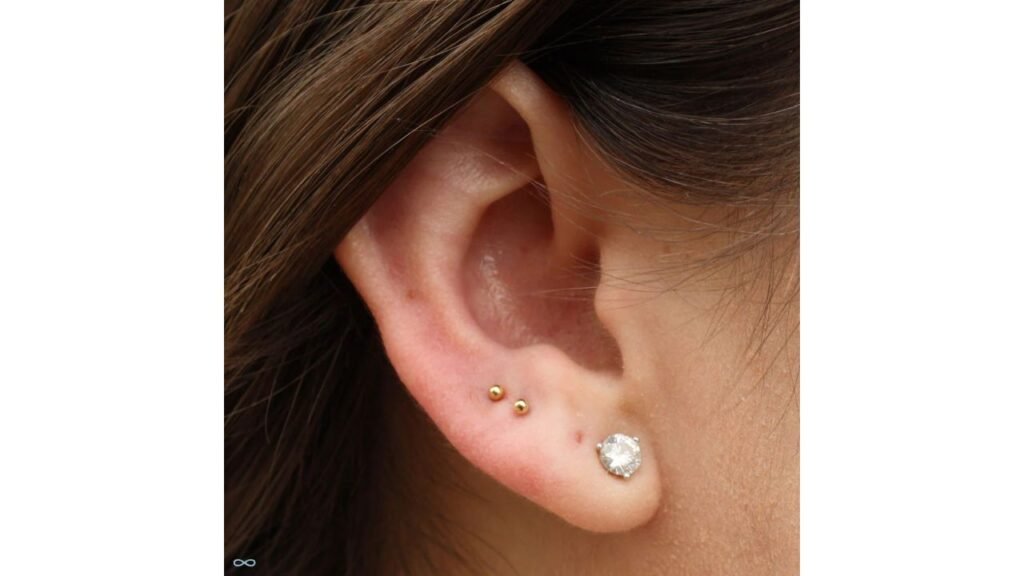
The standard lobe piercing is the most popular choice for a reason. It goes through soft skin, making it the least painful. On a scale of 1 to 10, its pain level is just 1/10. Healing takes around 6 to 8 weeks, and care is simple. Most people start here before moving to cartilage areas.
Even creative styles are also possible with this form of piercing. It is possible to wear several earrings on the lobe and experiment with shapes and color. It’s also ideal for those who want fast healing with less pain.
Daith Piercing: Stylish with a Medium Sting
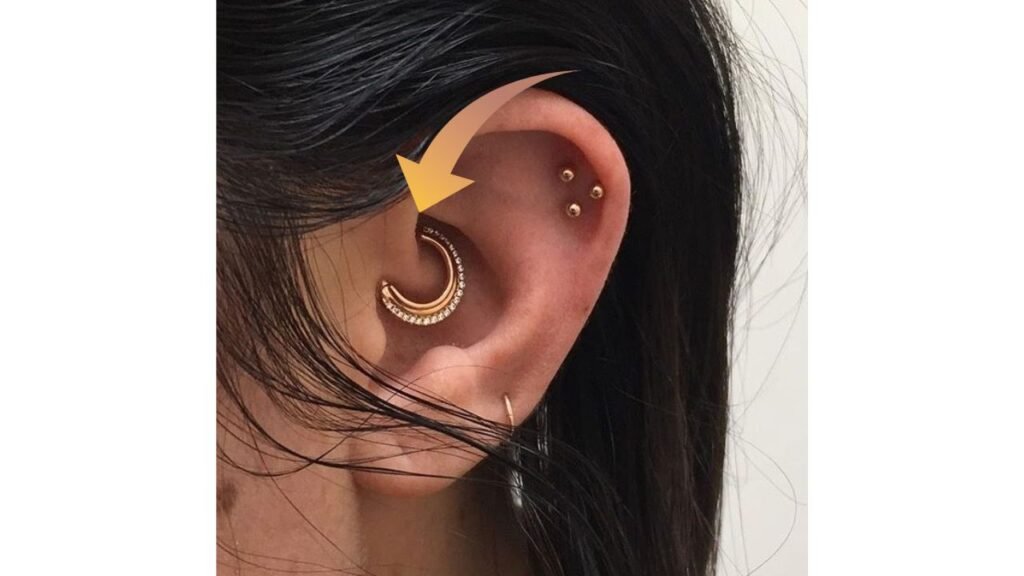
Daith piercings sit inside the ear’s fold and are said to help with migraines. It’s a bit more painful with a 5/10 rating. Healing takes 6 to 9 months, and the cartilage makes it feel like pressure more than sharp pain.
Wearing earbuds can be tough while it heals. But once healed, the daith looks bold and sits snugly in the inner ear. A curved hoop fits well and draws attention to this unique placement.
Helix Piercing: A Trending Cartilage Spot
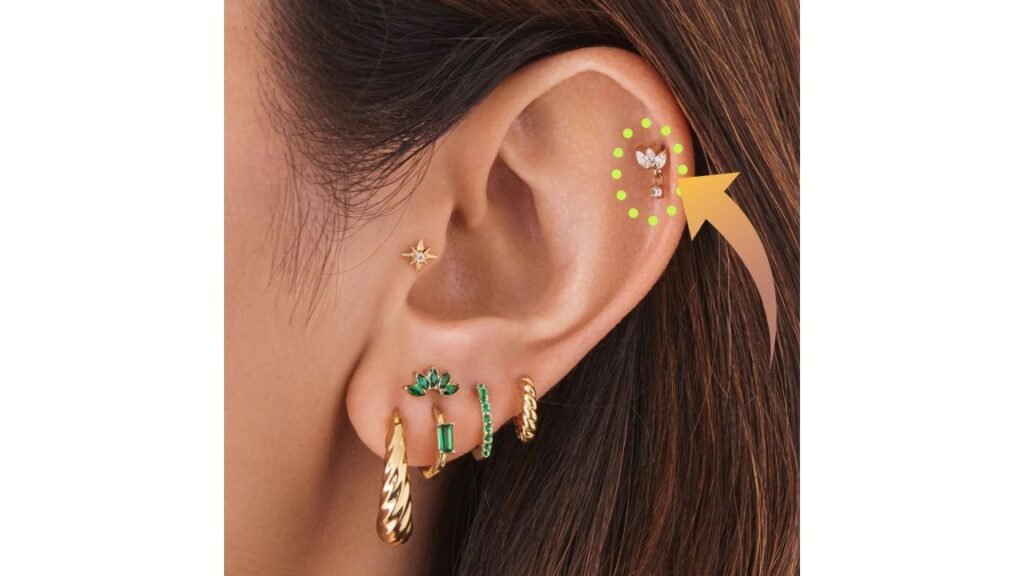
Helix piercings are found on the upper outer edge of the ear. They’re known for being trendy. Pain is moderate, about 4/10, and healing can stretch up to 12 months. This area is perfect for small hoops or bars.
People love getting multiple helix piercings for a layered look. Although it’s more painful than lobe piercings, it’s still bearable and very stylish.
Forward Helix Piercing: For the Bold and Precise

The forward helix sits above the tragus at the front. It’s more advanced and requires accuracy. Pain is around 5/10, and healing takes 3 to 9 months. The cartilage here is thick and sensitive.
It may be pierced with a needle or machine, depending on your piercer. Once healed, it looks sharp with a single stud or stacked with two or three.
Tragus Piercing: Small, Chic, but Sensitive
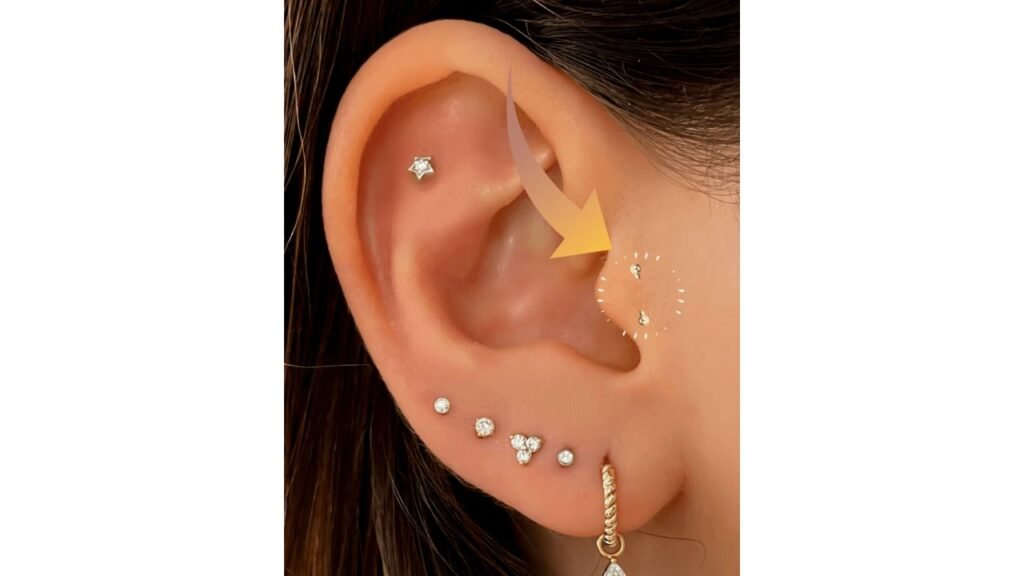
Tragus piercings go through the small flap near your ear canal. Pain level is 5/10, and healing takes 6 to 9 months. It’s a great choice for a minimalist look but may interfere with headphones. You’ll need to avoid touching it or using earbuds while it heals. Despite the pain, many people choose it for its classy appeal.
Anti-Tragus Piercing: Unique Yet High on Pain
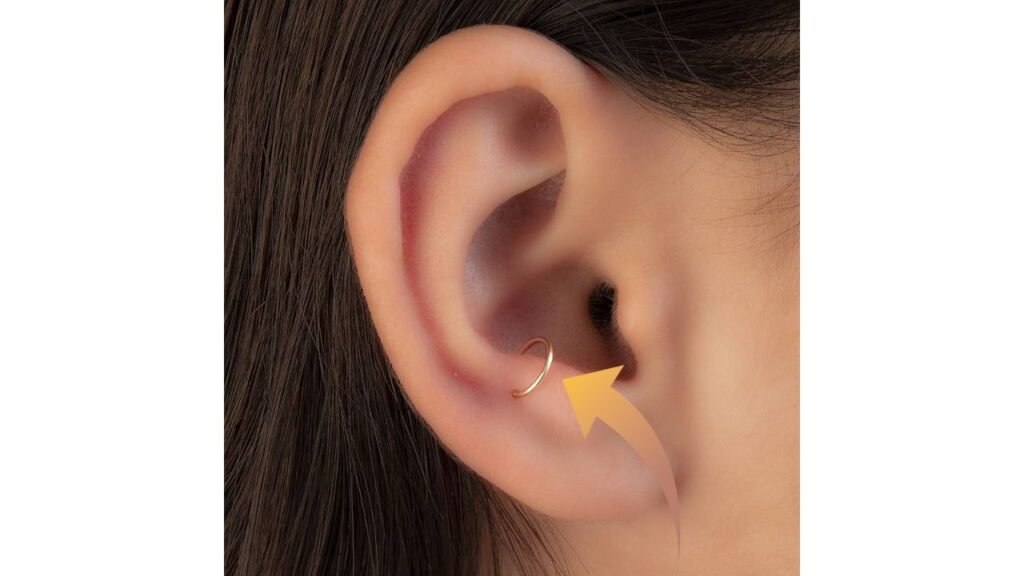
The anti-tragus is located just above the lobe, across from the tragus. It scores 6/10 on the pain scale. Healing can take 9 to 12 months, depending on your anatomy and care routine.
Some people may not have enough space for this piercing. But if it suits your ear, it’s an edgy option that stands out.
Conch Piercing: Center of the Cartilage
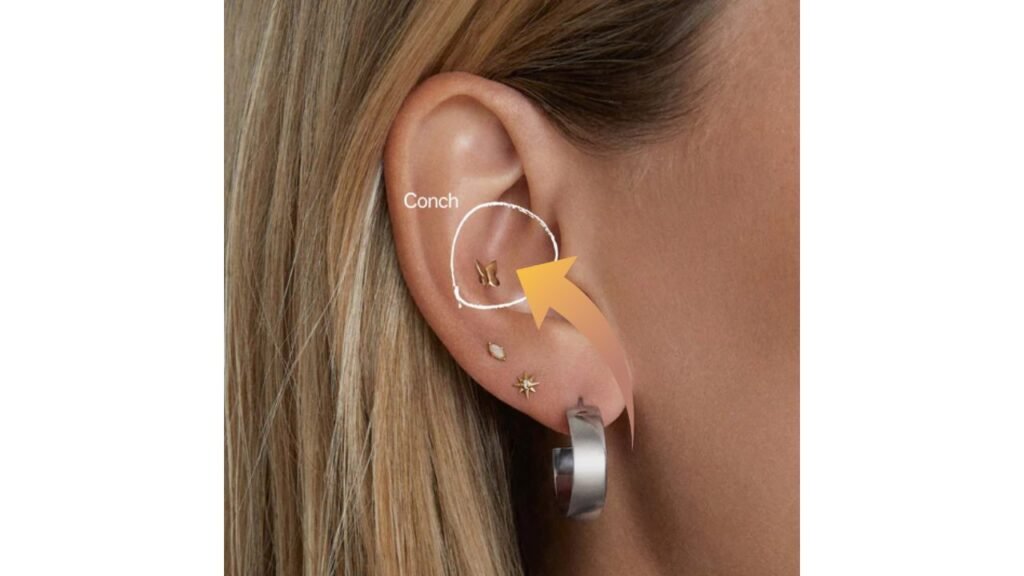
The conch piercing goes through the inner ear’s center. It’s named after the shell due to its spiral shape. Pain is 4/10, and healing time is between 3 to 9 months. It can be done with a single stud or a cuff that hugs the ear.
This piercing is bold yet elegant. Many people add a second stud to create a stacked effect. The inner ear makes it tricky to heal but worth it in style.
Rook Piercing: Sharp in Style and Sensation
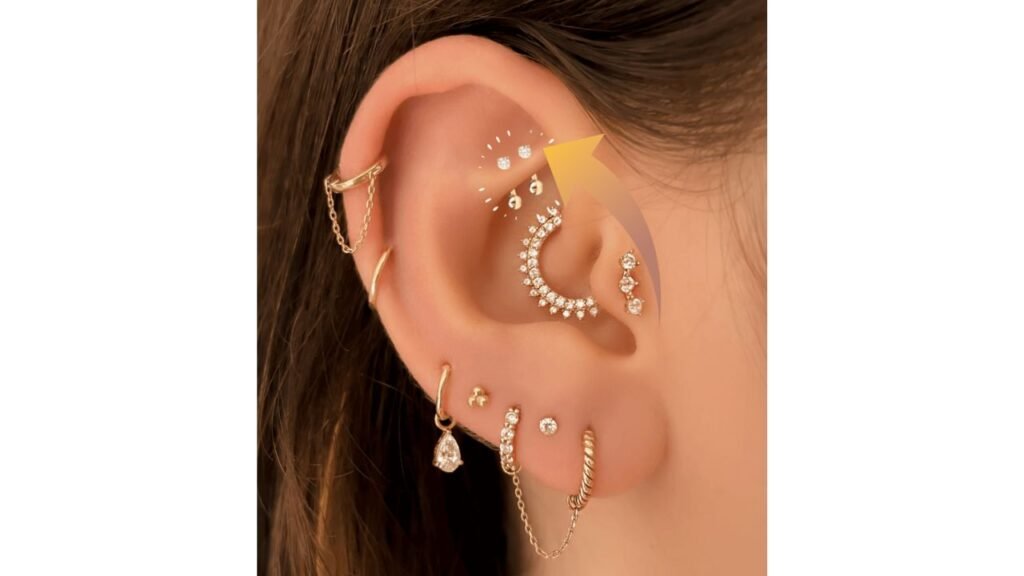
The rook is placed inside the ridge above the daith. It’s one of the more painful piercings, rated 6/10. It takes 3 to 10 months to fully heal. Because the cartilage here is dense, the piercing can cause throbbing at first.
A barbell is used during healing, but hoops are ideal later. It adds depth and flair to your overall ear design.
Industrial: Two Piercings, One Bar
The industrial piercing is a combination of two upper ear cartilage piercings connected by a single bar. Pain level is 6/10, with healing needing 9 to 12 months.
This piercing is challenging to heal since it’s double the trauma. Many people love its bold appearance, but it requires extra care. Hair, glasses, and pillows can all irritate it.
Caring for Your Ear Piercings
No matter where you get pierced, proper care is essential. Here’s what you should do:
- Use sterile saline to clean twice daily
- Avoid alcohol, peroxide, and soaps
- Don’t sleep on fresh piercings
- Say no to pools and hot tubs for 6–8 weeks
- Never twist or fidget with your jewelry
Final Thoughts
The pain ear piercings chart is your best guide for choosing wisely. Some areas hurt less. Others look amazing but demand patience. Whether you’re into lobes or something bold like a rook or industrial, knowing the pain scale helps you prepare. Make your choice based on both your pain tolerance and your style. Follow aftercare steps closely and let your ear art heal right.